
05 — ORIGIN
Where It Started
In 2008, in the middle of the Great Recession, the design firm I worked for, Interbrand Design Forum, went from roughly 200 employees to about 75. As the Dayton office of a global firm, we got hit hard. We had nearly 60 architects on staff, and close to half of them spent most of their time drafting new car dealerships. When two of the big three automakers needed federal bailouts to stay solvent, that work stopped overnight. I remember our lead architect getting a call telling him all our Chrysler work was halted, effective immediately.
Every couple of weeks, ten or twelve people got called into the conference room on a Friday and handed their dismissal papers. IT locked their computers while they were still in the meeting. My department went from twelve people to three in about six months. Me, Todd, and Bethann. That was it.
I'd come home after a round of layoffs and tell my wife about the day. One night she asked what I'd do if I got laid off. I didn't have a great answer, but I did have an idea for a business. She told me to start working on it in my off hours, just in case. So I did.
The idea itself came from a trip on the Au Sable River in Michigan, bouncing between wading and floating in a rented drift boat with a friend. I was using a backpack-chestpack hybrid from L.L. Bean, a gift, and it wasn't built for the way I actually fished. I wanted one set of gear, pockets and pouches for fly boxes, leaders, tippet, that I could pull off one setup and clip onto another depending on whether I was wading that day or floating. The military had already solved this problem decades earlier with the MOLLE system. Nobody had brought it to fly fishing.
I'd been designing things for a living for almost a decade at that point, so sketching the concept was the easy part. Sewing it was not. I had zero experience and zero equipment. What I did have was a wife with a sewing machine and a mother-in-law skilled enough to have sewn my wife's entire wedding dress. So I made a call.
The first samples were rough. I was using lightweight nylon from a big-box sewing store and delicate zippers meant for dresses, sewn on weekends in a home office next to the cat litter box. I learned fast that there's a real difference between a hobby sewing machine and the industrial machines built for heavy pack material. I kept at it anyway, and after six or eight weekends I had a working prototype: a vest, some pouches, some packs, ugly as they were.
Eventually I started calling contract sewing shops, looking for someone to build cleaner samples than I could manage myself. Most calls went nowhere. The minimums I was quoted, 500 to 1,000 units, were nowhere near realistic for where I was starting from.
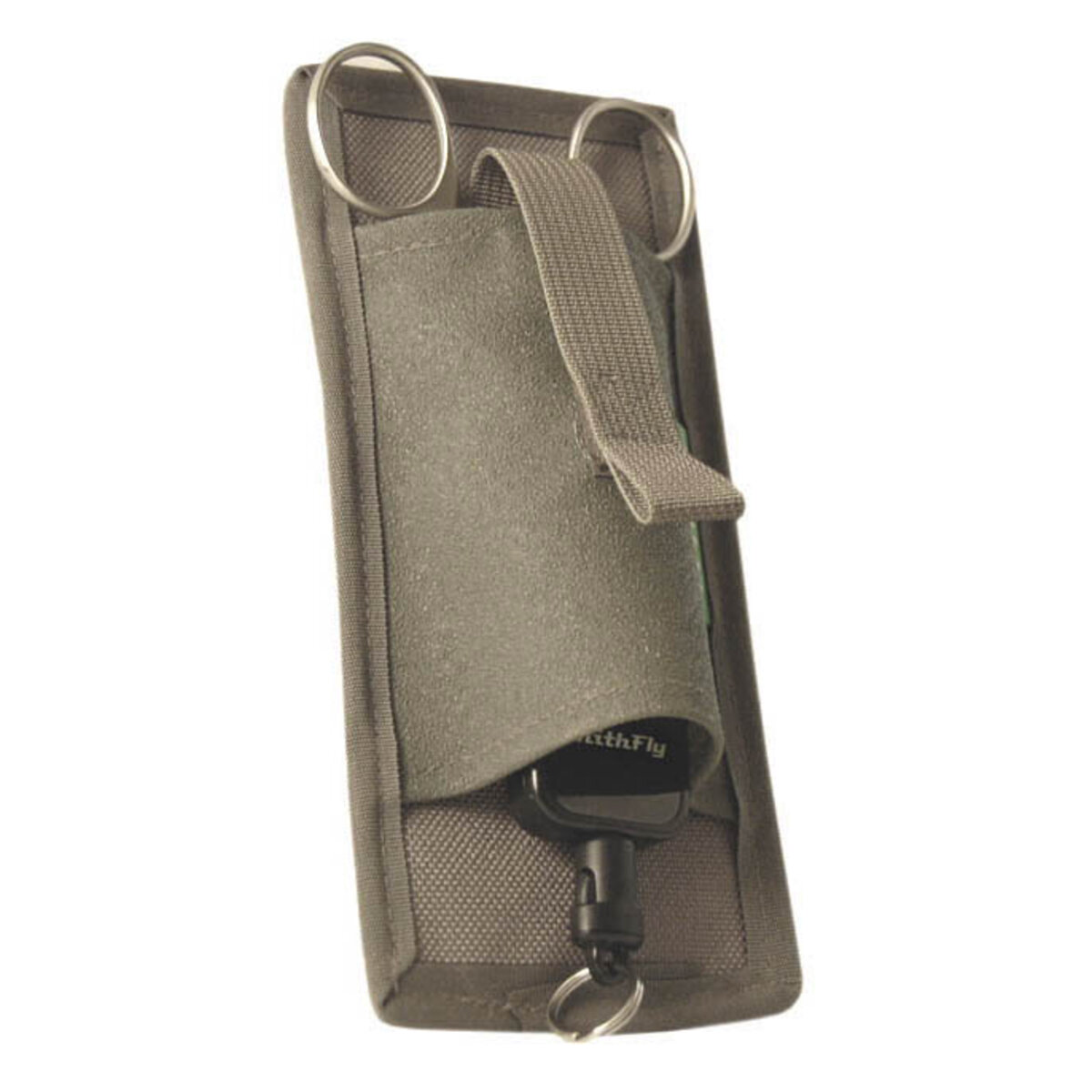
I pushed through anyway. SmithFly Designs launched in 2010, based in Troy, Ohio. The first product, a slim, magnetic-clasp pouch called the El Poquito, debuted at the International Fly Tackle Dealer show in August 2011, funded in part by the paycheck from an article I'd written for Gray's Sporting Journal. No snaps, no velcro, just a strong magnetic closure that held to waders or a belt and came off just as easily. Miles Nolte and Cameron Mortenson, both respected names in the fly fishing world, backed it early and publicly. It was a small product, but the idea behind it, modular, interchangeable, attach-it-anywhere gear, was ahead of its time. That same MOLLE-style thinking is standard across the outdoor industry now. In 2011, almost nobody was doing it.
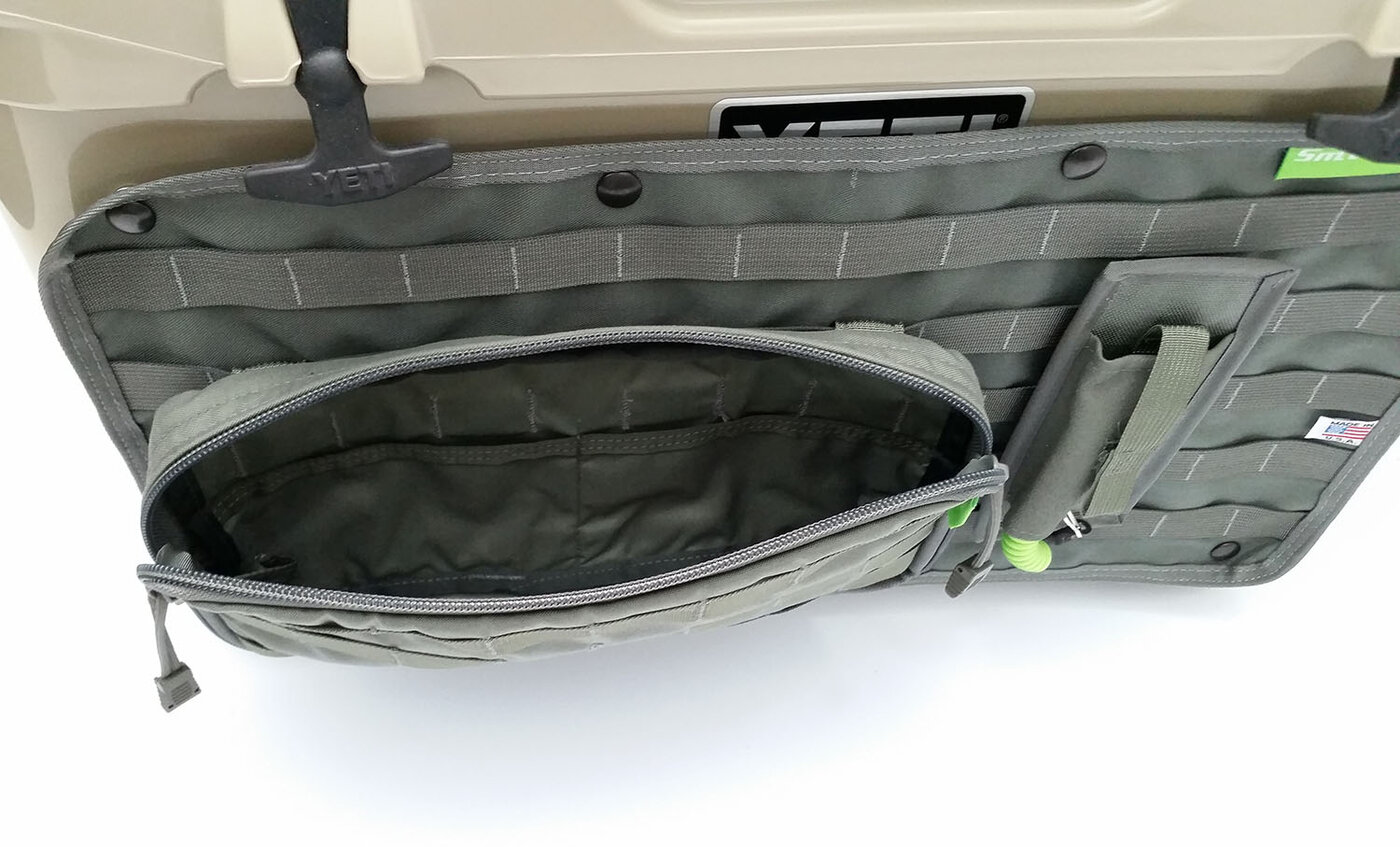
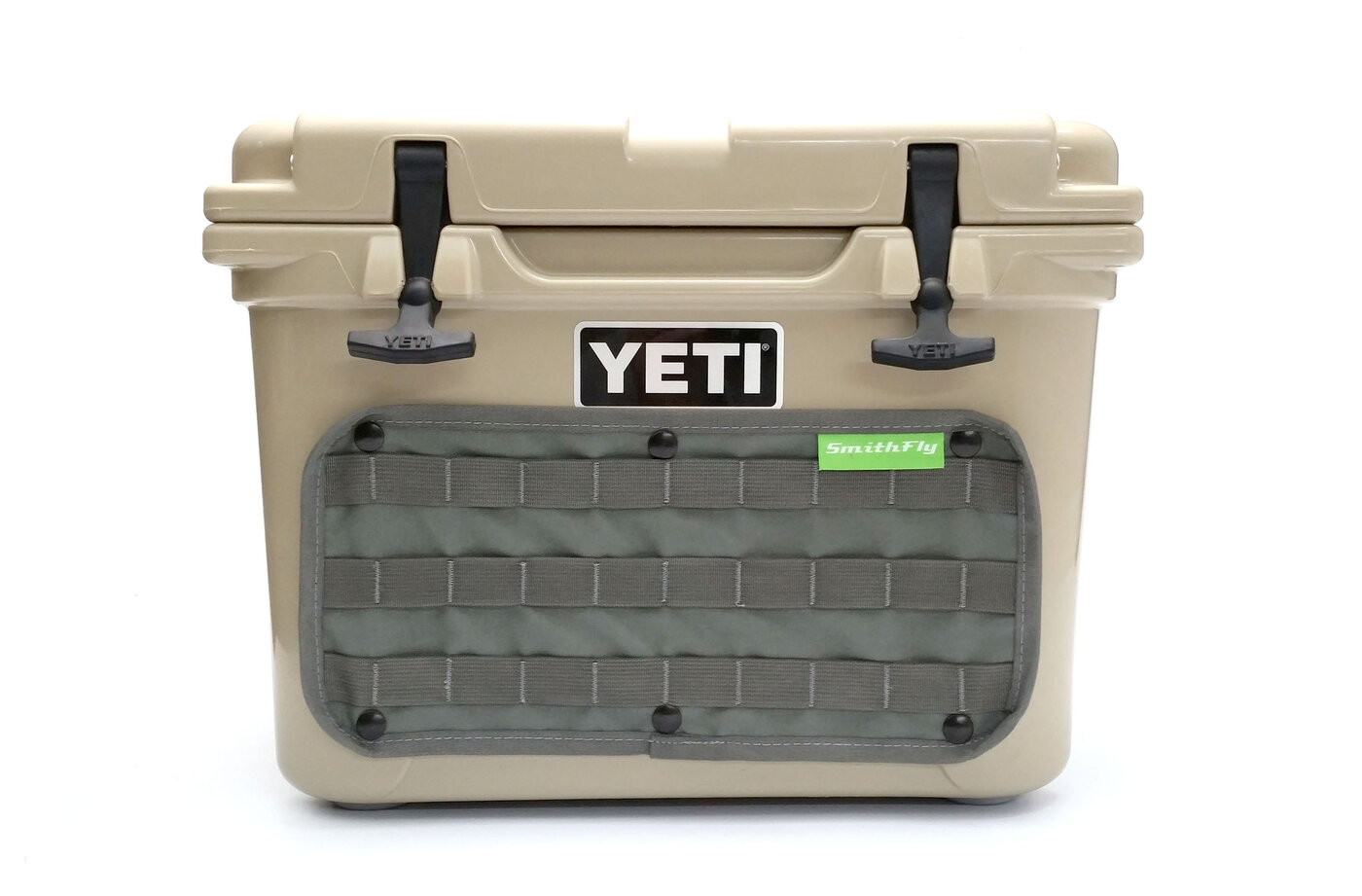
The instinct kept paying off. The El Poquito won Gray's Best 2013, landing in the same list as Patagonia and L.L. Bean, judged by editors who didn't take ad money to get there. That same year, the Cooler Kilt solved a problem nobody else had bothered to: a simple, snap-on system for attaching gear pouches directly to a cooler, built for anglers running small watercraft, kayaks, and skiffs, made in the USA out of 1000D Cordura.
All of it, from that first ugly prototype to the last raft, was built in the USA on purpose, not by default. That choice was set early, after hearing a public radio piece on overseas manufacturing conditions: when there was a real idea worth building, it would be built with US-based manufacturers.
That was the pattern for a decade. Find the gap nobody else saw. Build it properly. Make it in a way that could stand behind its own construction.
It's the same instinct that led to the Big Shoals Raft and the Shoal Tent. That part of the story is next.