
01 — PARTS & SPECS
Don't Believe the Hype: What's Actually In Your Frame
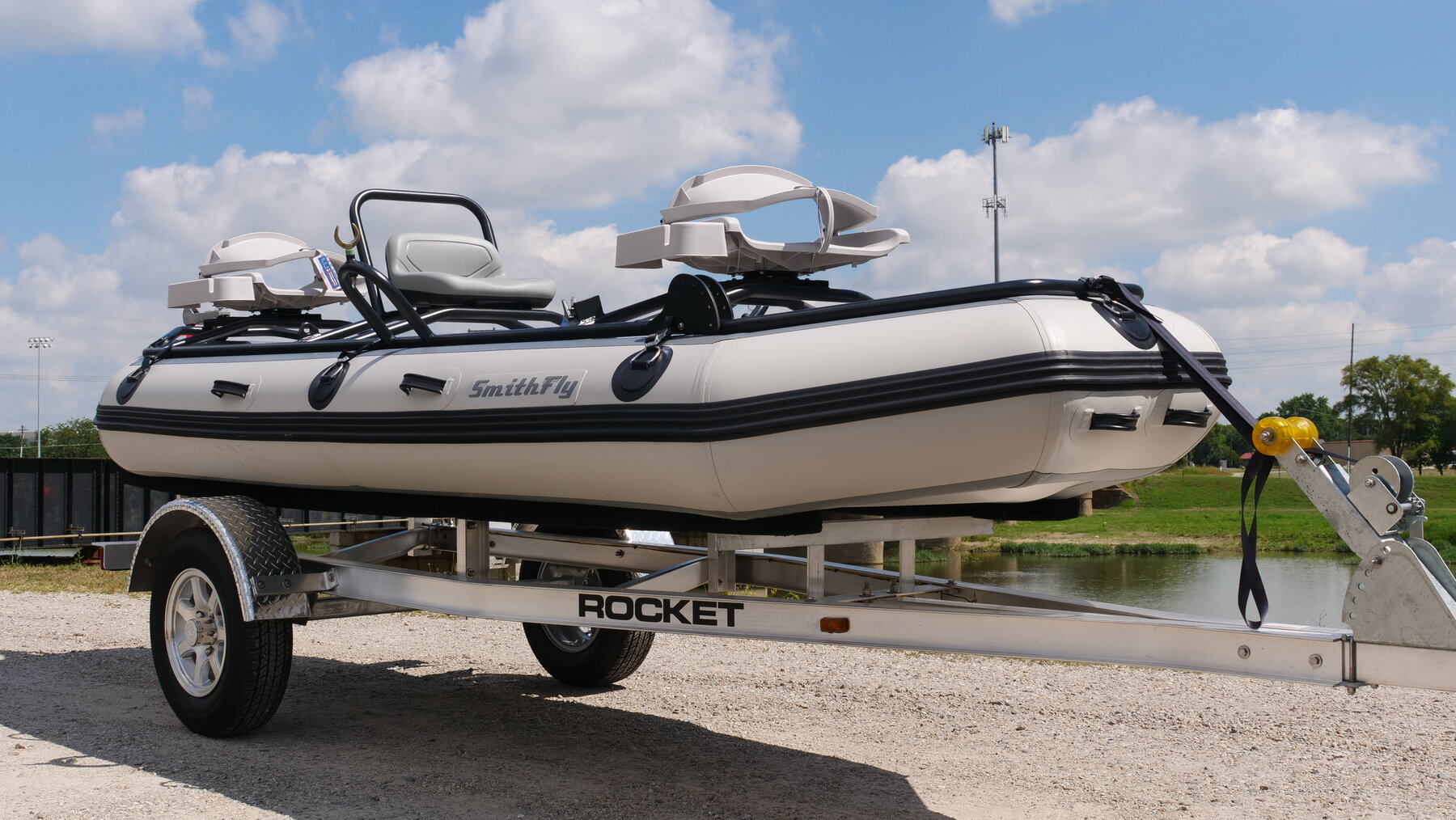
Pipe and tubing are not the same thing
And that distinction explains a lot about how these frames get built and priced. Tubing is measured by its outside diameter. Pipe is measured by its inside diameter. That's not arbitrary: pipe exists to move things through it, water, gas, whatever, so the inside dimension is what engineers actually care about. Tubing exists mostly for structural use, holding a shape, so the outside dimension and wall thickness are what matter. Pipe is also made in enormous volume, since it's used throughout the built world for exactly that purpose, which makes it cheap. Tubing is a smaller-volume product and costs more for the same basic dimensions. Pipe also comes in standardized "schedules," a defined set of wall thicknesses for a given diameter.
Our frames were built from standard 1" Schedule 40 aluminum pipe, alloy 6063-T6. That's a common, easy-to-source spec. It bends without cracking, and the T6 heat treatment makes it hard without making it brittle, hard enough that you could thread it directly for fasteners if you wanted to, though we chose not to. Outside diameter on that pipe comes out to 1.315", inside almost exactly 1". It's strong and light enough to be worth building with. For comparison, at least one other well-known frame brand in this space uses 1 1/4" Schedule 40 pipe, pre-anodized, with no welding in the assembly.
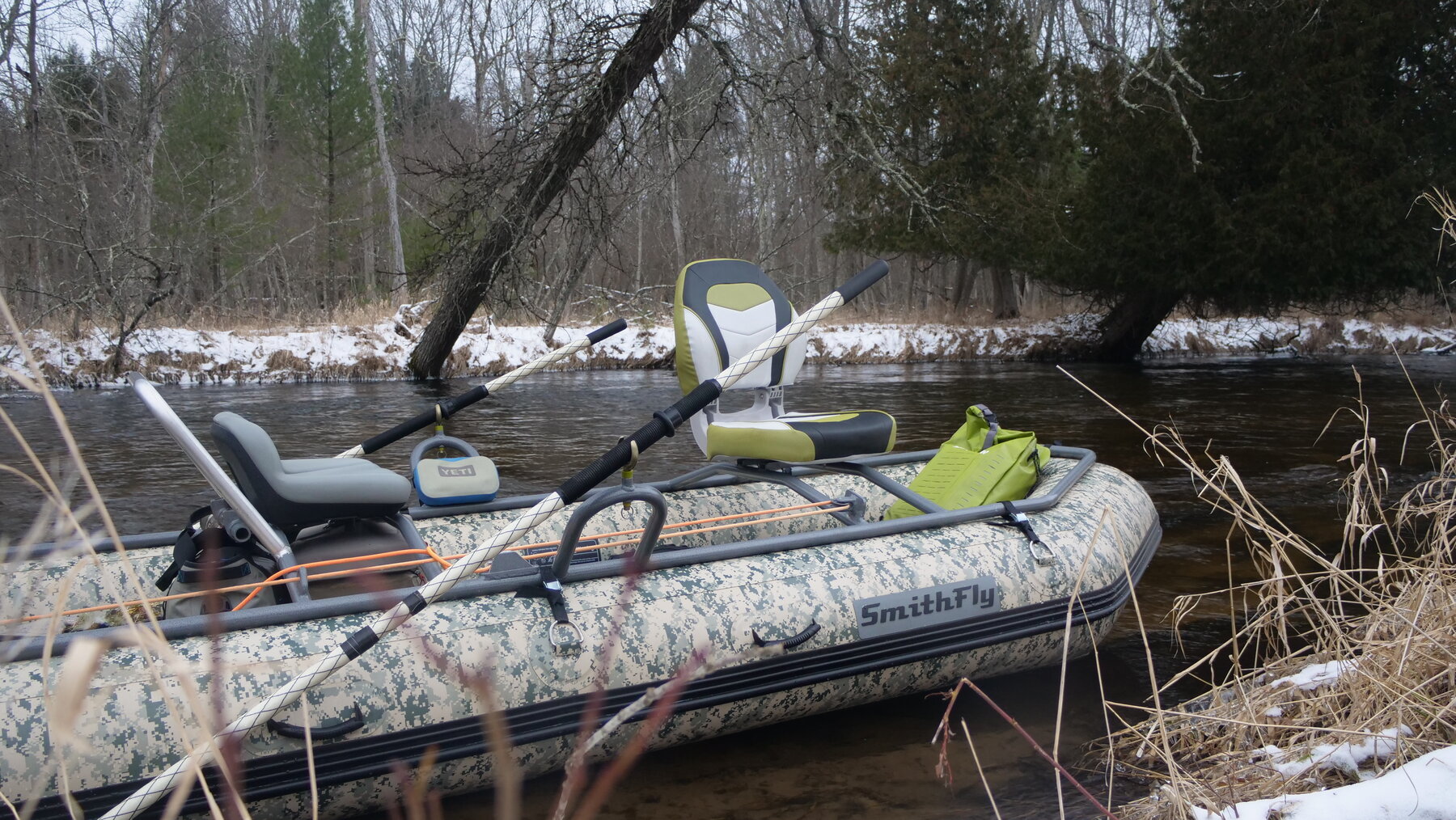
Fasteners
Every bolt on our frames was 1/4-20 stainless. That's a more expensive standard than a lot of the industry bothers with.
Anchor hardware and rope routing
We used Dierks anchor pulley hardware from Lange's Production Specialties, still in production, easy to source replacement parts for, cleat grips, pulley blocks, pulleys. Our anchor line runs on the outside of the frame rather than through the inside of the tubing, which is how some competitors route it. Running the line inside the tube adds friction, makes the anchor harder to pull, and if the line ever slips out on the water, it's much harder to feed back through. Outside routing avoids all of that.
Oar lock bushings
These started as Nyloil, an oil-impregnated engineering plastic normally used in tool-and-die machinery for parts that see heavy repetitive wear. It was overkill for this application, so we eventually moved to solid nylon, but turned on a lathe with a taller shoulder and tighter wall tolerance than the industry standard, roughly 5/8" of shoulder versus the roughly 1/8" typical of the injection-molded bushings most boat companies use. That difference matters for how long the bushing lasts under regular use.
Fishing seat swivels
These are a genuine weak point across the entire industry, not just for us. Standard swivel seats will eventually rust and need replacing, that's true of every brand. As far as we could tell, essentially every manufacturer sources them from the same single factory in China. There's a better design possible here. It just hasn't been built yet.
Rowing seats
This one has an actual story behind it. One major competitor's rowing seat is sourced from Milsco Manufacturing, a longtime supplier of tractor and forklift seats. Milsco wouldn't sell that seat directly to us, even at meaningful volume, to protect their existing distribution relationship. So we sourced the civilian equivalent instead: Milsco's low-back mower seat, sold through Northern Tool, functionally identical, just black instead of grey and with a slightly different bolt pattern. If your SmithFly has a grey rowing seat, that's the original sourcing and you'd need to reorder through that original channel. If it has a black seat, here's the part: Milsco TS3300 Low-Back Seat, Northern Tool.
Finish: mill versus powder coat
Some frames left unfinished in mill finish will show aluminum oxide rubbing off on hands and raft tubes over time. It looks bad. It doesn't affect function at all. On the powder coat side: for most of the production run, our coater prepped frames with a light rub-down rather than sandblasting before coating, and that wasn't enough surface prep to make the coating adhere long-term, which is why some frames saw flaking. After the move to Montrose, the new coater did sandblast, which fixed the adhesion problem, but cost more, cost we didn't have room for at the time. If your frame has flaking powder coat, it's cosmetic only, not structural, and the fix is a local powder coater who sandblasts before recoating.
Weld repairs
Failures were rare, but they happened. Any weld shop with a TIG setup can fix a broken joint, it's roughly a $100, 30-second repair for them. Mobile welding services can usually come to you.
Oar locks and oars
We originally used a common 1/2" shaft mini oarlock, later moved to Sawyer A oarlocks with a machined shaft, which we came to prefer. Our primary oar was the Sawyer Small Stealth (SST), 8', two-piece, composite blade. We also sold some full-size oars, which need the larger Sawyer A oarlock. When we started, full-size 1/2" shaft oarlocks didn't really exist, you had to pop the bushing to fit a 5/8" shaft oarlock instead, which wasn't ideal. That's since been resolved, and proper 1/2" shaft full-size oarlocks are available now.
Rope
50' of 3/8" double-braid nylon, black, sourced from Blue Ox. Simple, and it wears out eventually like any rope, replace it when it does.
Rod racks
Custom aluminum trays with foam inserts, paired with Schedule 40 furniture-grade black PVC pipe and fittings from FormuFit: 1" Sch 40 Furniture-Grade PVC Pipe, Black and the 1" Table Screw Cap, Black (the fitting is the table cap with the end drilled out).